Ride, Wander, Breathe: Germany's Nature on a Shoestring
How the Ticket Unlocks the Outdoors

Understanding Validity Without Surprises

Plan Smart Connections and Buffer Time
Trail Picks You Can Reach on Regionals

Malerweg Highlights from Pirna

Eifelsteig Segments via Aachen or Trier
Budget Tactics That Save Without Scrimping on Wonder
Food Strategies That Taste Like Freedom
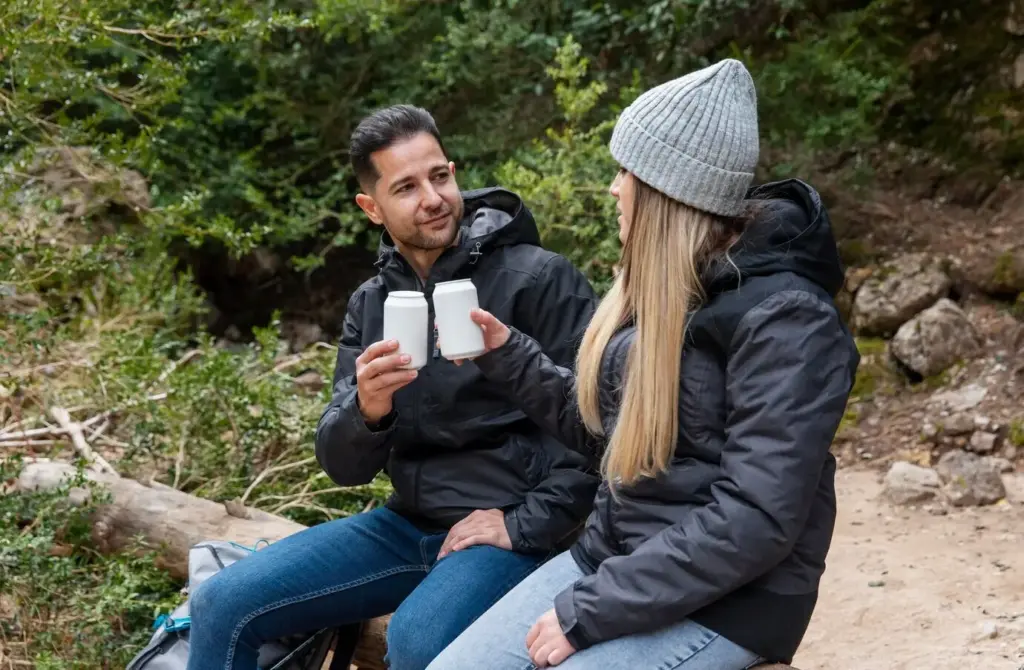
Pack a picnic with durable favorites: rye rolls, cheese, apples, nuts, and chocolate that refuses to melt into sadness. Top up water at stations, cafes, or designated fountains, and carry a lightweight filter for rural taps. Supermarkets near hubs make efficient resupply stops between trains. When a bakery’s doorbell rings, sample regional pastries and ask staff for scenic benches nearby. Meals become view-filled pauses, not line items, and you trade waiting for service for birds in hedgerows, turning hunger into a reason to linger where the trail feels widest.
Shelter Ideas from Campsites to Hostels
Campsites near trail corridors often sit within a short bus ride of stations, letting you roll in late and leave early with minimal fuss. Hostels and simple guesthouses provide lockers, kitchens, and detergent for quick sink laundry. Wild camping is restricted in many areas, so respect regulations and seek designated spots or trekking camps where available. Book ahead on holiday weekends, pack earplugs, and keep your morning routine streamlined. Good sleep on a budget means more curiosity in your stride and less stress when clouds tease the sunrise.

Safety, Seasons, and Sustainability

Weekend Itineraries You Can Copy
Stories from the Rails and Trails
A Missed Connection That Became Golden Hour
Strangers with Maps, Friends by Sundown
The Picnic That Outsmarted a Restaurant Queue
Tools, Apps, and Tiny Habits
01
Navigation and Timing, Simplified
Download DB Navigator schedules, then add regional apps for local nuances. In Komoot or another offline map, flag train stations, bus stops, grocery stores, shelters, and water taps near your route. Color-code alternative loops in case energy dips or clouds build. Setting alarms for key connections reduces clock-checking anxiety on trail. Put paper notes in your pocket for when batteries fade. With layers of information arranged kindly, you travel light mentally, saving brainpower for birds overhead and the way light spills across path edges.
02
Fitness and Pace Awareness
Honest pacing is a kindness to yourself. Start shorter than you think you need and leave room to linger where the view asks. Track elevation as much as distance, sip water steadily, and fuel before you feel empty. If a companion walks faster, trade navigation for a slower lead. Celebrate turning back early when conditions suggest it. Strength grows from consistency, not strain, and weekends become sustainable when your legs and lungs look forward to the next gentle challenge instead of recovering from bravado.
03
Habits That Keep Costs Low
Set a pre-trip checklist that includes topping up snacks, charging devices, downloading maps, and checking for construction on regional lines. Keep a stash of small cash for rural kiosks and restroom fees. Use a light grocery bag as a trash carry-out, and a tiny repair kit to save a day from a broken strap. Rotate gear with friends to avoid duplicate purchases. Routine breeds calm, calm prevents impulse spending, and impulse control leaves more room for a bakery treat that becomes the day’s bright punctuation.